
Expert Hands, Healing Lands
Experience world-class medical care nestled in the serene, rejuvenating
landscapes of Kerala, India.
Why Choose Heal in Kerala?
Discover the perfect balance of world-class healthcare and holistic rejuvenation in God's Own Country.


World-Class Expertise
Access internationally accredited hospitals and renowned specialists utilizing cutting-edge medical technology.

Seamless Care
From visa assistance to post-op follow-ups, our dedicated team manages every step of your medical journey.

Recovery in Paradise
Heal faster in serene backwaters and lush greenery, combining modern medicine with therapeutic nature.

Transparent Packages
No hidden costs. Get comprehensive treatment plans with clear pricing and inclusive amenities upfront.
Why Choose Heal in Kerala?
Discover the perfect balance of world-class healthcare and holistic rejuvenation in God's Own Country.
World-Class Expertise
Access internationally accredited hospitals and renowned specialists utilizing cutting-edge medical technology.
Recovery in Paradise
Heal faster in serene backwaters and lush greenery, combining modern medicine with therapeutic nature.
Seamless Care
From visa assistance to post-op follow-ups, our dedicated team manages every step of your medical journey.
Transparent Packages
No hidden costs. Get comprehensive treatment plans with clear pricing and inclusive amenities upfront.

Where Excellence Meets Compassion
Experience world-class healthcare tailored to your needs. Explore our centers of excellence designed for your healing and comfort.

Robotic surgery
A minimally invasive surgical procedure performed by a surgeon using computer-controlled robotic arms for enhanced precision and control.

Ayurveda & Wellness
Holistic healing rooted in nature.

Reconstructive & Cosmetic
Restoring confidence through artistry.
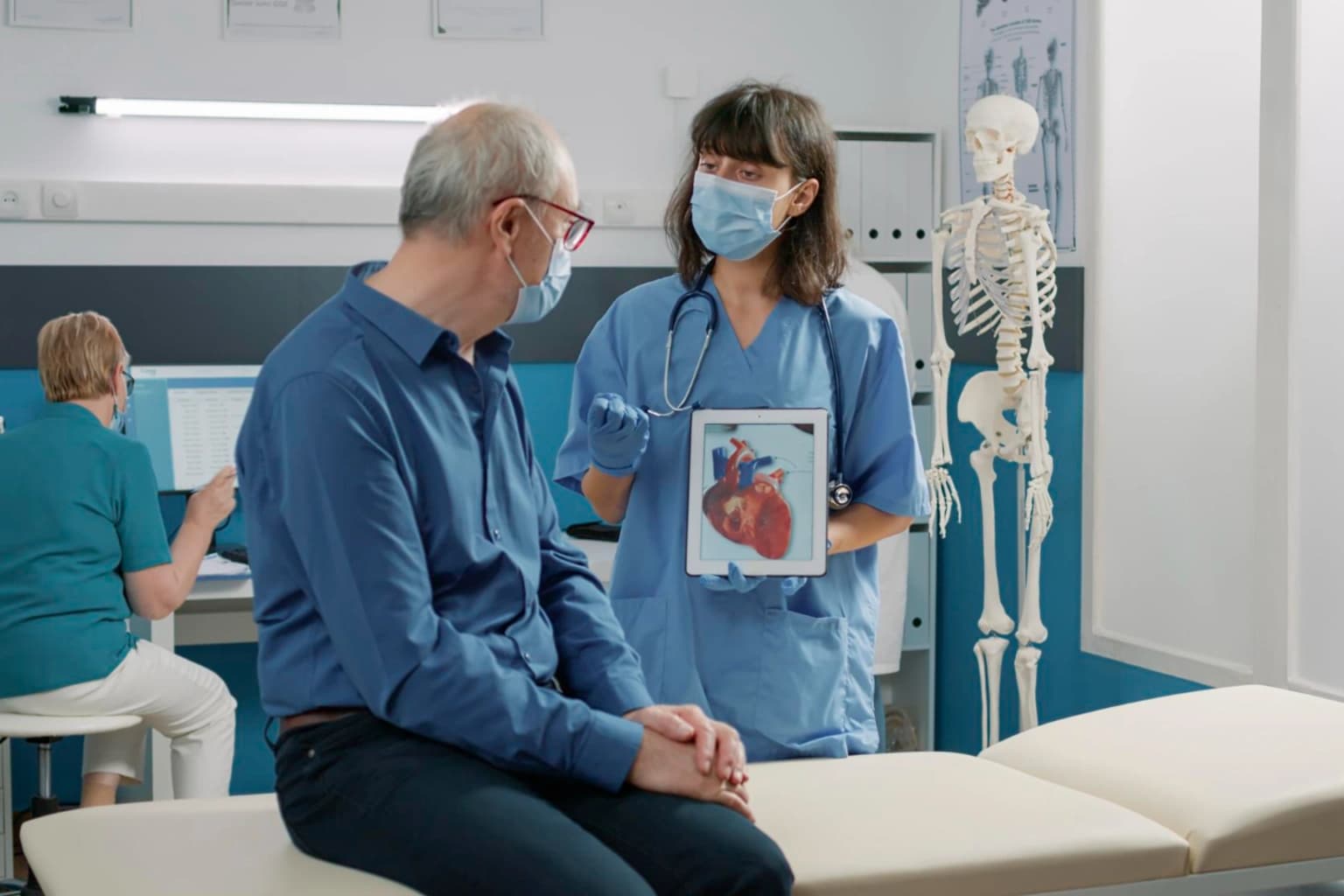
Cardiology
Advanced Heart Care
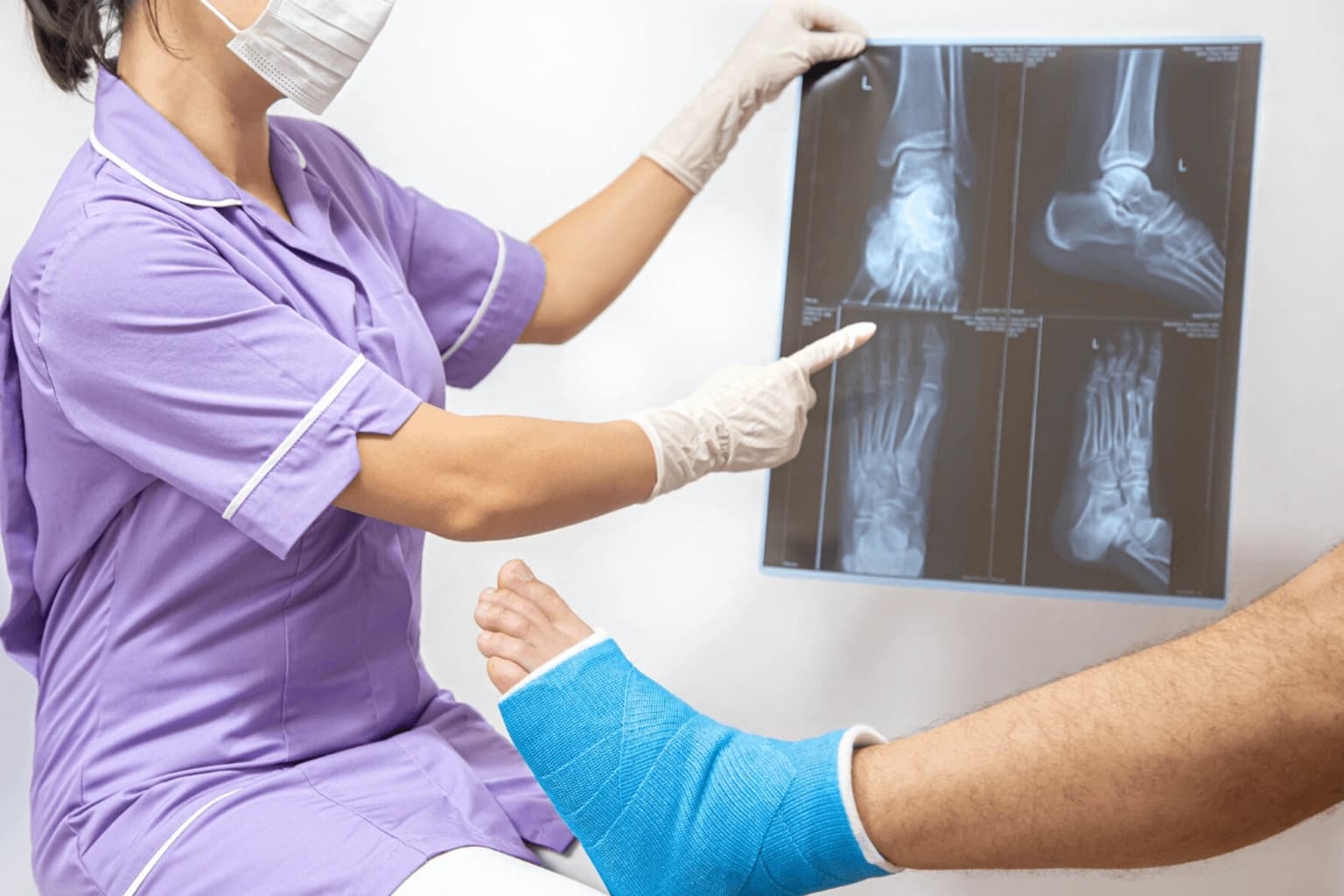
Orthopedics & Joint replacement
Joint Replacement & Rehab


Your Journey to Wellness
A seamless, guided experience from your first inquiry to long-term recovery, combining world-class healthcare with the beauty of travel.
Initial Inquiry & Medical History Submission
Submit your basic details and medical history through our secure portal to get started.

Doctor Consultation & Treatment Planning
Virtual consultation with our specialists to review your case and design a personalized treatment plan.

Receive Quote & Confirm Plan
Transparency is key. Receive a detailed cost estimate and confirm your treatment package.

Comprehensive Travel Preparation
Assistance with flight bookings, visa documentation, and accommodation preferences.

Final Pre-Travel Coordination
A final briefing call to ensure you have all documents, medications, and itinerary details ready.



Heal Faster in Nature's Lap.
Recovery is as much about the environment as it is about the procedure. Kerala's lush landscapes, purifying air, and tranquil backwaters act as a natural catalyst for healing. Our recovery residences ensure your journey back to health is as beautiful as it is effective.
Trusted by Leading Institutions & Accredited by






Frequently asked questions
Reduce friction and answer common concerns.
Kerala is special because it has super-smart doctors and hospitals that are just as good as the ones in big countries like the US or UK, but it costs way less money. It is known as a "sunrise economy," which means it is growing fast with cool new technology. Plus, it is a beautiful place with beaches and hills, so you can relax while you heal. It's called "God's Own Country" for a reason!
Ready to Embrace
a Healthier You?
Our care team is here to guide you every step of the way. Start your journey today with personalized support tailored to your wellness goals.

Blogs
Explore our centers of excellence designed for your
healing and comfort.

Yoga for Breast Cancer: Benefits and Best Poses
Breast cancer treatment can be physically and emotionally demanding, often leading to cancer-related fatigue, limited shoulder mobility, sleep disturbances, and anxiety. To help manage these challenges, yoga for breast cancer is increasingly recommended as a complementary therapy alongside conventional treatment.Research suggests that yoga may improve quality of life, reduce fatigue, promote better sleep, and ease anxiety in breast cancer patients. At Heal in Kerala, yoga is incorporated into a holistic wellness approach that complements medical care by promoting safe movement, relaxation, and recovery through personalised guidance.Yoga for Breast CancerYoga is recognised as a supportive therapy for many people undergoing or recovering from breast cancer treatment. While it does not treat or cure breast cancer, it can be practised alongside surgery, chemotherapy, radiation therapy, and other medical treatments to support overall well-being.Research suggests yoga may help breast cancer patients:Reduce cancer-related fatigueEase anxiety and emotional distressImprove shoulder mobility and physical functionA randomised controlled trial conducted at the Breast Centre of DRK Kliniken Berlin Westend, Germany, found that women with early-stage breast cancer who began yoga soon after surgery reported significantly better quality of life and physical functioning than those who started later. These findings suggest that appropriately modified yoga can be a valuable addition to a comprehensive recovery plan.What Is Yoga for Breast Cancer Therapy?Yoga for breast cancer, also known as oncology yoga, is a specialised form of yoga adapted for people undergoing breast cancer treatment or recovery. It often incorporates restorative yoga and, unlike general fitness yoga, follows a slower pace with gentle, modified movements tailored to each person's treatment stage and physical abilities.Oncology yoga is suitable for:People undergoing chemotherapy, radiation therapy, hormone therapy, or targeted therapy.Individuals recovering from a lumpectomy, mastectomy, or breast reconstruction.Breast cancer survivors during long-term recovery and survivorship.A typical oncology yoga session includes:Gentle stretching and restorative yoga poses.Breathing exercises (pranayama) and guided relaxation.Supportive props such as chairs, bolsters, blankets, or yoga blocks.Individual pose modifications based on recovery stage and mobility.This personalised approach makes oncology yoga a safe and supportive practice throughout breast cancer recovery.Is Yoga Safe During Breast Cancer Treatment?Yes. Yoga is generally safe during breast cancer treatment when it is appropriately modified and cleared by your oncologist. According to the Society for Integrative Oncology (SIO) and the American Society of Clinical Oncology (ASCO) guidelines, appropriately modified yoga is considered a safe and evidence-based complementary therapy for many people undergoing breast cancer treatment.Seek Medical Clearance If You:Recently had breast surgery or have healing woundsHad lymph nodes removed or have lymphedemaExperience severe fatigue, dizziness, or neuropathyHave low blood counts or other treatment-related complicationsTell Your Yoga Instructor About:Your surgery and treatment stageAny pain, swelling, or movement restrictionsMedications that affect balance or energy levelsA certified oncology yoga instructor can modify poses to suit your recovery stage. Stop if you experience pain, dizziness, or unusual swelling.Key Benefits of Yoga for Breast Cancer Patients and SurvivorsYoga offers several physical and emotional benefits for breast cancer patients and survivors. Regular, medically appropriate practice may help reduce fatigue, improve mobility, support better sleep, and enhance overall quality of life.1. Reduces Cancer-Related FatigueGentle yoga combines light movement with breathing exercises to improve circulation, reduce stiffness, and ease cancer-related fatigue. A 2017 Cochrane Review of 24 studies found that yoga may improve fatigue, sleep quality, anxiety, and overall quality of life in women with breast cancer.Reference:Cochrane Review – Yoga for Improving Health-Related Quality of Life, Mental Health and Cancer-Related Symptoms in Women Diagnosed with Breast Cancer (PubMed)2. Lowers Anxiety, Depression, and Psychological DistressYoga combines gentle movement, deep breathing, and meditation to calm the mind, lower stress hormones such as cortisol, and reduce anxiety. The Society for Integrative Oncology (SIO) and the American Society of Clinical Oncology (ASCO) recommend yoga as an evidence-based complementary therapy to improve quality of life in people with cancer.Reference: Society for Integrative Oncology (SIO)–American Society of Clinical Oncology (ASCO) Guideline (Journal of Clinical Oncology)3. Improves Shoulder, Neck, and Chest MobilityBreast surgery can cause tightness and limited shoulder movement. Gentle yoga stretches improve flexibility and range of motion, making everyday activities easier. A randomised controlled trial at the Breast Centre of DRK Kliniken Berlin Westend, Germany, found better physical functioning and quality of life in women who began yoga soon after surgery.Reference: Randomised Controlled Trial – Breast Centre of DRK Kliniken Berlin Westend, Germany4. Improves Sleep QualityPain, anxiety, and treatment-related side effects can disrupt healthy sleep, contributing to persistent daytime fatigue. Yoga and diaphragmatic breathing may help regulate cortisol levels and promote a healthier sleep-wake rhythm, making it easier to fall asleep and stay asleep. Better sleep also supports improved energy levels during recovery.Reference:National Centre for Complementary and Integrative Health (NCCIH) – Yoga: What You Need To Know5. Supports Healthy Weight ManagementHormone therapy and corticosteroids may affect body weight and muscle strength. Yoga supports regular movement, flexibility, balance, and physical function, while the American Cancer Society recommends regular physical activity during and after cancer treatment.Reference: American Cancer Society – Physical Activity and the Person With CancerBest Types of Yoga for Breast Cancer PatientsNot all yoga styles are suitable for every stage of breast cancer treatment. The table below compares some of the safest and most commonly recommended yoga styles based on their benefits and the stage of recovery they are best suited for.Gentle Yoga Poses After Breast Cancer Surgery and During RecoveryGentle yoga can help improve flexibility, ease muscle tightness, and promote relaxation during breast cancer recovery. Start slowly, move within your comfort level, and stop immediately if you experience pain or discomfort.1. Seated Side Bend (Parsva Sukhasana)What it does: Stretches the sides of the body, improves spinal flexibility, and relieves tension in the shoulders and rib cage.How to do it:Sit comfortably with your legs crossed or on a chair.Raise one arm overhead and gently bend toward the opposite side.Hold for 3–5 breaths, then repeat on the other side.Caution: Avoid overstretching if you have shoulder pain or are recovering from recent surgery.2. Cat-Cow Pose (Marjaryasana–Bitilasana)What it does: Improves spinal mobility, relieves stiffness in the neck and back, and encourages gentle chest movement.How to do it:Begin on your hands and knees, or perform the movement while seated in a chair.Inhale as you lift your chest and gently arch your back (Cow Pose).Exhale as you round your spine and tuck your chin (Cat Pose). Repeat for 5–8 breaths.Caution: Choose the seated variation if kneeling is uncomfortable or difficult.3. Supported Bridge Pose (Supported Setu Bandha Sarvangasana)What it does: Gently opens the chest, supports spinal alignment, and encourages relaxation.How to do it:Lie on your back with your knees bent and feet flat on the floor.Lift your hips slightly and place a yoga block or firm cushion under your pelvis.Relax your arms by your sides and breathe deeply for 1-3 minutes.Caution: Avoid this pose if lying on your back causes discomfort or unless your healthcare provider advises it is appropriate after surgery.4. Belly Breathing (Diaphragmatic Pranayama)What it does: Promotes deep relaxation, reduces stress, and encourages healthy breathing patterns.How to do it:Sit or lie comfortably with one hand resting on your abdomen.Inhale slowly through your nose, allowing your belly to rise.Exhale gently through your nose or mouth, letting your belly relax. Repeat for 5–10 breaths.Caution: Breathe naturally and stop if you feel light-headed.5. Reclined Bound Angle Pose (Supta Baddha Konasana)What it does: Opens the hips and chest while encouraging deep relaxation and gentle breathing.How to do it:Lie on your back and bring the soles of your feet together.Let your knees fall outward and place cushions or blankets under your thighs for support.Rest comfortably for 3–5 minutes while breathing slowly.Caution: Use extra support if you have lower back discomfort or chest tightness.6. Gentle Seated Twist (Modified Ardha Matsyendrasana)What it does: Improves spinal mobility and helps relieve tension in the back and shoulders.How to do it:Sit upright on a chair or the floor with your spine tall.Place one hand on the opposite knee and gently rotate your upper body.Hold for a few breaths before repeating on the opposite side.Caution: Avoid deep twists immediately after breast surgery or if they cause discomfort.7. Legs-Up-the-Wall Pose (Viparita Karani)What it does: Encourages relaxation, eases tired legs, and may help reduce stress after treatment.How to do it:Sit beside a wall and gently swing your legs up while lying on your back.Rest your arms comfortably by your sides.Stay in the position for 5–10 minutes while breathing slowly.Caution: Avoid this pose if your healthcare provider advises against inversions or if lying flat is uncomfortable.Poses and Practices to AvoidAlthough yoga supports breast cancer recovery, some poses should be avoided during treatment or early recovery.1. Inversions (Headstand, Shoulder Stand)Avoid inversions unless supervised by a qualified instructor. They may place extra strain on the neck and shoulders and are not recommended soon after breast surgery.2. Deep Twists and BackbendsAvoid deep twists and intense backbends immediately after a lumpectomy, mastectomy, or breast reconstruction, as they may strain healing tissues.3. Hot YogaHot yoga is not recommended during active treatment. Heat can increase the risk of dehydration, dizziness, and heat sensitivity, especially during chemotherapy or radiation therapy.4. Any Pose That Causes PainStop immediately if a pose causes pain, dizziness, unusual swelling, or shortness of breath, and consult your healthcare provider.How to Start a Yoga Practice During or After TreatmentStep 1: Get Medical ClearanceSpeak with your oncologist before starting yoga, especially after surgery or if you have lymphedema or other treatment-related complications.Step 2: Choose the Right ClassLook for a certified oncology yoga instructor or cancer-specific yoga classes offered by hospitals, cancer centres, or programs such as LIVESTRONG at the YMCA.Step 3: Start SlowlyBegin with 10–15 minute sessions, two to three times a week, focusing on gentle movement, breathing exercises, and relaxation.Step 4: Listen to Your BodyMonitor how you feel after each session and gradually increase your practice as your strength and energy improve.ConclusionYoga for breast cancer can be a valuable complementary therapy when practiced under medical guidance. If you're considering adding yoga to your recovery plan, consult your oncologist and work with a qualified instructor who can adapt the practice to your needs. At Heal in Kerala, our experienced yoga instructors provide personalized sessions that support safe movement, relaxation, and overall well-being as part of a holistic approach to recovery.

How to Choose the Best Hospital in India
The hospital you choose plays an important role in the quality of care you receive and your recovery journey. India has now earned a reputation as one of the leading medical tourism destinations, offering high-quality healthcare and attracting thousands of patients each year from the Middle East, Africa, Europe, the USA, and neighbouring countries.Patients come here for experienced doctors, advanced medical technology, affordable treatment, and shorter waiting times. However, with so many multispecialty hospitals and speciality centres across the country, deciding where to receive treatment is not easy. That decision should not simply be the biggest or the most popular—it should be the one that best matches your medical condition, treatment goals, and recovery needs.So here is a walk-through of how to choose the best hospital in India, the factors to consider before making a decision, the red flags to avoid, and a quick checklist to help you during the treatment journey.Why India Has Become a Global Healthcare DestinationIndia has become a global healthcare destination for high-quality care at competitive prices compared with many Western countries. Patients often save significantly on surgeries and specialised treatments while receiving care from highly qualified medical professionals.Several factors have contributed to the growth of medical tourism in India, including:Affordable healthcare in IndiaNABH and JCI-accredited hospitals that follow recognised quality and patient safety standardsEnglish-speaking doctors and medical staffModern infrastructure with advanced diagnostic and surgical technologyShorter waiting times for consultations and proceduresAccess to almost every medical speciality under one roofFor these reasons, whether you require cardiology, orthopaedics, oncology, neurology, organ transplantation, cosmetic surgery, or IVF treatment, you can receive treatment from experienced specialists in advanced healthcare facilities.Hospital Checklist Before AdmissionUse this hospital selection guide to evaluate hospitals beyond cost or reputation. Accreditation, specialist expertise, patient safety, technology, and support services can help you identify the right healthcare provider for your needs.1. Verify Hospital AccreditationOne of the first things to check is whether the hospital has recognised accreditation, as it reflects its commitment to quality care and patient safety.JCI (Joint Commission International) accreditation indicates compliance with globally recognised healthcare standards and is widely trusted by international patients.NABH (National Accreditation Board for Hospitals) certifies hospitals that meet established Indian standards for healthcare quality and safety.Whether you choose an NABH-accredited hospital or a JCI-accredited hospital in India, accreditation should be your starting point when comparing healthcare providers.2. Evaluate the Treating SpecialistA hospital's reputation matters, but the expertise of your treating specialist often has the greatest impact on treatment outcomes.Before making a decision, check:Medical qualifications and specialist trainingYears of clinical experienceExperience treating your specific conditionNumber of similar procedures performedTreatment success rates, where availableAlso, confirm that your chosen specialist will be directly involved in your treatment and follow-up care.3. Review Technology, Nursing, and Patient SupportAdvanced technology plays a key role in accurate diagnosis, effective treatment, and improved patient outcomes. Depending on your condition, choose a hospital with modern diagnostic imaging, well-equipped operating theatres, specialised intensive care units, and the latest surgical technology.Recovery is not just about surgery and medical treatment. Make sure to assess the nursing and patient support services, including adequate nurse-to-patient ratios, experienced nursing staff, physiotherapy, nutritional counselling, rehabilitation services, and psychological support, which contribute to a smoother recovery and better long-term outcomes.4. Choose the Right Type of HospitalThe right hospital depends on your medical needs.Multispecialty hospitals are often the best choice for complex conditions or patients with multiple health concerns, as they provide access to specialists across different departments.Speciality hospitals may be more suitable for focused treatments such as cardiology, orthopaedics, oncology, neurology, organ transplantation, cosmetic surgery, or IVF.Choosing the right type of hospital ensures you receive specialised care tailored to your condition.Understand Treatment CostsAffordable healthcare is a major advantage, but treatment costs should still be reviewed carefully. Before finalising your decision, request a detailed written estimate and compare quotations from multiple hospitals.The estimate should clearly include:Hospital stayDoctor consultation feesDiagnostic testsMedicinesSurgeryAnaesthesia and ICU charges, if requiredFollow-up consultationsUnderstanding what's included helps prevent unexpected costs. The cheapest option isn't always the best value if it compromises expertise, technology, or patient care. A hospital with experienced specialists, advanced technology, and comprehensive patient care may provide better outcomes and overall value for your treatment.Consider the Hospital's Infection Control and Safety StandardsStrong infection control and patient safety standards play an important role in treatment outcomes. Evaluate these as carefully as the hospital's medical expertise.Look for hospitals that maintain:High standards of cleanliness throughout patient areasStrict sterilisation procedures for medical equipment and operating theatresWell-equipped intensive care units (ICUs) with trained critical care teamsClearly defined emergency response protocols for medical emergenciesPatient safety measures, such as surgical safety checklists and medication verification systemsLow hospital-acquired infection (HAI) rates, where this information is publicly availableHospitals that prioritise hygiene, infection control, and patient safety create a safer environment for treatment and help reduce the risk of complications during recovery.Choosing the Right Hospital Is Choosing Peace of MindBefore making your final decision, ask these questions:How experienced is the specialist in treating my condition?How many similar procedures does the hospital perform each year?What are the treatment success rates for this procedure?Are emergency and intensive care facilities available 24/7?The more transparent a hospital is in answering these questions, the easier it becomes to evaluate whether it is the right choice for your treatment. Taking the time to ask these questions can provide greater confidence and peace of mind before beginning your healthcare journey.Red Flags to AvoidWhile many hospitals in India provide high-quality care, it's important to watch for warning signs that may indicate lower standards of service or patient care.Look out for:No NABH or JCI accreditationUnclear or inconsistent treatment costsNo experienced specialist for your conditionPoor communication and lack of transparencyLimited emergency and ICU supportPoor hygiene and infection control standardsConsistently negative patient feedbackLittle or no follow-up support after treatmentUnwillingness to explain treatment options, expected outcomes, or potential risksIf you come across several of these warning signs, it's worth considering other hospitals before making your final decision.Why Kerala Is an Excellent Choice for Medical TreatmentKerala combines high-quality hospitals, experienced specialists, affordable treatment, compassionate nursing care, and authentic Ayurveda, making it one of India's leading healthcare destinations. Its peaceful surroundings, medical tourism infrastructure, and wellness-focused approach provide an ideal environment for treatment and recovery.The state is unique for its combination of modern medicine and authentic Ayurveda. Many patients complement their treatment with Ayurvedic wellness therapies that support recovery and overall well-being. Combined with its peaceful surroundings and natural beauty, Kerala provides an ideal environment for healing and rehabilitation.These advantages have also made medical tourism in Kerala increasingly popular among patients looking for both advanced medical care and holistic recovery.How Heal in Kerala Helps You Choose the Right HospitalHeal in Kerala helps patients identify accredited hospitals and experienced specialists based on their medical condition, while providing support throughout their treatment journey. What we do is:Connecting patients with trusted healthcare providersHelping choose the right specialistArranging medical appointmentsVisa assistanceAirport transfersAccommodation supportLanguage assistanceTreatment coordinationFollow-up careWith personalised guidance at every stage, patients can make informed decisions without the stress of navigating the healthcare system alone.ConclusionWhen looking for one of the best hospitals in India, there are many factors to consider, such as accreditation, specialist expertise, medical technology, patient care, treatment costs, and support services. Taking the time to compare hospitals and ask the right questions can help ensure a safe and successful treatment journey.If you're planning medical treatment in Kerala, Heal in Kerala can help you find the most suitable hospital, specialist, and treatment plan, making your healthcare journey simpler, more organised, and focused on your recovery.

Best Ayurvedic Hospitals in Kerala: A Complete Guide for International Patients
A patient arriving at an Ayurvedic hospital in Kerala is unlikely to be handed a standard treatment package. The first appointment usually begins with questions about medical history, sleep, digestion, appetite, stress, previous treatments, and daily routine. Only after understanding the individual does the physician decide what treatment, if any, should begin.That approach has shaped Kerala's reputation for Ayurveda over generations. Across the state, Ayurvedic hospitals continue to practice medicine based on classical texts while caring for patients with today's health concerns, from joint disorders and neurological conditions to rehabilitation and preventive care.For someone travelling from overseas, the challenge is rarely deciding whether to choose Kerala. It's understanding which hospital is right for their condition and what separates a genuine Ayurvedic hospital from a wellness centre.Why Kerala Is Known for the Best Ayurvedic HospitalsAyurveda is practised across India, but Kerala has remained one of its strongest centres for clinical care. Here, Ayurveda continues as a healthcare system delivered through dedicated hospitals, medical colleges, research institutions, and experienced physicians.Patients come to Kerala because treatment is never based on symptoms alone. Physicians spend time understanding the person's overall health before recommending therapies, medicines, dietary changes, or lifestyle adjustments. The treatment plan is shaped around the patient, not the other way around.Kerala is also home to hospitals recognised under the Ayur Diamond and Ayur Gold classifications. Awarded by the Government of Kerala, these classifications recognise hospitals that meet defined standards for physician expertise, infrastructure, hygiene, treatment quality, and patient care. For international patients comparing treatment options from overseas, these recognitions provide an additional benchmark when evaluating hospitals.What Makes the Best Ayurvedic Hospitals in Kerala Different?Not every centre offering Ayurveda functions as a hospital. An Ayurvedic hospital provides structured medical care under the supervision of qualified physicians.Treatment begins with a detailed consultation, where the physician reviews your medical history, assesses your condition, and prepares a personalised treatment plan. Depending on your needs, care may include physician-supervised Panchakarma, herbal medicines, therapeutic procedures, dietary guidance, and lifestyle recommendations. Your progress is monitored throughout the treatment, with therapies adjusted as needed.Unlike wellness centres that focus on relaxation, Ayurvedic hospitals are equipped to diagnose, treat, and manage medical conditions such as arthritis, chronic pain, neurological disorders, and lifestyle-related illnesses.Treatments Offered by the Best Ayurvedic Hospitals in KeralaHospitals across Kerala provide Ayurvedic treatment for a broad range of health concerns. The exact therapies differ from one patient to another, but commonly treated conditions include:Arthritis and joint disordersChronic neck and back painNeurological disordersStroke rehabilitationSports injuriesDigestive disordersStress-related conditionsLifestyle disordersPreventive healthcareMany hospitals also offer Panchakarma, one of Ayurveda's best-known therapeutic programmes. Unlike spa treatments that focus on relaxation, Panchakarma in an Ayurvedic hospital is carried out under the supervision of qualified physicians after a detailed medical assessment.Depending on the patient's condition, the programme may include cleansing therapies, herbal medicines, dietary guidance, and lifestyle recommendations, with treatment adjusted throughout the course of care.Why International Patients Choose KeralaPeople travelling to Kerala for Ayurveda are often looking for something they have struggled to find elsewhere: time with experienced physicians, treatment planned around their condition, and care that continues beyond a single consultation.Kerala's hospitals have years of experience treating international patients, and many offer services that make medical travel easier, including language support, assistance with documentation, accommodation guidance, and coordinated care throughout the stay.For many patients, the setting also becomes part of the experience. Recovery takes place away from busy routines, allowing them to focus on treatment with fewer distractions. While the surroundings are not the treatment itself, they often provide the quiet and continuity that long-term care requires.These factors continue to make Kerala one of the preferred destinations for patients seeking authentic Ayurvedic treatment.How to Choose the Best Ayurvedic Hospital in KeralaA hospital's website can tell you what it offers. The way it evaluates a patient tells you far more.Before making a decision, pay attention to how the hospital approaches treatment. An authentic Ayurvedic hospital should take time to understand your health before recommending any therapy.When comparing Ayurvedic hospitals, consider these factors:Conduct a detailed medical consultation before treatment begins.Review your medical history, current medications, and previous treatments.Prepare a personalised treatment plan instead of offering standard packages.Have qualified Ayurvedic physicians who supervise your care throughout your stay.Explain the treatment process, expected duration, and likely outcomes clearly.Maintain recognised quality standards and hygienic treatment facilities.Provide support services for international patients, such as language assistance and treatment coordination.A hospital that asks the right questions before recommending treatment is often a better choice than one that promises quick results without understanding your condition.How Heal in Kerala Helps International PatientsTravelling abroad for treatment involves more than choosing a hospital. Patients often need support before they leave home and throughout their stay in Kerala. Heal in Kerala acts as a single point of contact, helping patients plan every stage of their treatment.Support includes:Reviewing medical reports.Arranging online consultations with specialists.Identifying hospitals based on your condition and treatment goals.Assisting with medical visa documentation.Organising airport transfers and accommodation.Providing interpreter support where required.Coordinating treatment during your stay.Assisting with follow-up consultations after you return home.Rather than recommending the same hospital to every patient, Heal in Kerala helps match each individual with a hospital that best suits their medical needs.ConclusionKerala has earned its reputation for Ayurveda through experienced physicians, established treatment traditions, and hospitals that continue to deliver personalised, patient-focused care. Choosing one of the best Ayurvedic hospitals in Kerala means looking beyond reputation to find a hospital with the right expertise, treatment approach, and support for your individual health needs.For international patients, comparing hospitals and planning treatment from overseas can be challenging. Heal in Kerala makes the process simpler by reviewing your medical requirements, connecting you with trusted Ayurvedic hospitals, and coordinating every stage of your medical value travel. With the right guidance, you can make informed decisions and begin your treatment in Kerala with confidence.

Ayurvedic Weight Loss: A Natural Approach to Healthy Weight Management
Weight management is not simply about losing kilos. A healthy approach should focus on improving overallwellbeing, supporting digestion, maintaining an active lifestyle, and developing sustainable eating habits.Ayurvedic weight loss takes a holistic approach by considering an individual's diet, lifestyle, digestion, bodyconstitution, activity levels, and overall health.Ayurveda is an ancient form of medicine from India that aims to keep the body and mind in balance.Insteadof using strict diets or fast results, Ayurveda usually suggests eating healthy foods, staying active, beingaware while eating, getting enough sleep, and receiving care that suits each person's needs.What Is Ayurvedic Weight Loss?In Ayurveda, being too heavy or obese has been talked about in relation to a condition called Sthaulya, andthere's a lot of focus on Kapha-related causes.Ayurveda looks at several things like what you eat, how activeyou are, how well you digest food, how much sleep you get, how stressed you are, and your natural body typewhen creating a plan for better health.The goal isn't always to lose weight quickly.Instead, it's about making better lifestyle choices and helping your body become healthier over time.This is important because keeping a healthy weight usually needs steady changes, not just short-term efforts.So, Ayurveda sees weight management as part of a bigger plan for overall well-being.How Ayurveda Approaches Weight ManagementAn Ayurvedic approach may include several interconnected areas rather than focusing on food alone.A Balanced and Personalised DietFood is a key part of Ayurvedic wellness.Meals usually use fresh, simple and seasonal ingredients.Depending on a person's needs, an Ayurvedic diet might include vegetables, fruits, whole grains, legumes, and good sources of protein and healthy fats.Foods like barley, millets, green gram, and other nutritious items are often used in Ayurvedic methods for managing weight.However, the best diet isn't the same for everyone.An Ayurvedic expert will look at a person's body type, digestion, lifestyle, and health to suggest the right diet changes.Supporting Healthy DigestionAyurveda really values good digestion, and in ancient times, it was explained through the idea of Agni.If you eat in a rushed way, don't have meals on time, or eat too much of foods that are very processed, it can cause tummy troubles and lead to bad habits.Eating at a slower pace, chewing food well, having meals on a regular schedule, and eating fresh, home-cooked food can help you eat more mindfully.Spices like ginger, cumin, turmeric, and black pepper are often used in Indian food and can be added to meals as part of a healthy eating plan.Regular Exercise and MovementEating the right foods on its own isn't enough to keep your weight management. .It's also important to stay active to stay fit, build muscle, and keep your heart healthy.Ayurvedic health programs might include things like walking, doing yoga, or other suitable exercises.The kind and amount of activity you do should be based on your age, how fit you are, your past medical history, and your current health condition.Even small changes, like going for a walk regularly, avoiding sitting for too long, and staying moving all day, can help you live a healthier life.Yoga and Stress ManagementStress can affect how people eat, how well they sleep, and their energy levels during the day.Activities like yoga, breathing exercises, and meditation can be part of a whole-body approach to health that helps people relax and build better habits.Doing yoga can also increase flexibility, strength, and balance, and help people stay more active, especially when done correctly.If someone has a health problem, has had recent surgery, is very overweight, or has physical difficulties, they should talk to a healthcare professional before starting any exercise or yoga program.If you are interested in learning more about the role of yoga in supporting health and wellbeing, read our blog “Yoga for Breast Cancer”. to find out more about how yoga can promote health and wellness. In it.Panchakarma and Therapies Used for Weight LossA doctor-led Ayurvedic weight loss program starts with a thorough check-up to understand your body type, current health issues, and overall condition before any treatment is suggested.Based on your individual needs, the treatment might include:Udwarthanam -This is a strong, dry massage using special herbal mixtures like Triphala and herbs that help reduce Kapha.It is done in upward motions to break down fat, boost blood flow, and help digestion.Abhyanga - This is a full-body massage with warm oils that improves blood flow, helps the body get rid of toxins better, and also helps you sleep well and feel less stressed, both of which can affect weight.Swedana - This is a herbal steam treatment, often used together with Udwarthanam, to help release toxins and support their removal from the body.Panchakarma treatments like Vamana, Virechana, and Basti are chosen depending on how much Kapha is out of balance. These help clean the body’s internal channels more deeply.These are not just regular spa treatments. They are carefully planned and watched over by trained Ayurvedic doctors. The type and mix of treatments are adjusted as needed throughout the program.Ayurvedic Herbs and Treatments for Weight LossAyurvedic medicine uses various herbs and mixtures that have been traditionally used to help with weight management.Some examples mentioned in Ayurvedic texts are Triphala, Guggulu-based medicines, and other herbal remedies.But it's important to remember that these herbal treatments aren't a one-size-fits-all solution for weight loss.Whether a medicine is right for someone depends on their individual body type, age, any other medicines they're taking, existing health conditions, and overall health.Some Ayurvedic programs may also involve treatments like Panchakarma or other specific procedures. These should only be done after being properly assessed by a trained Ayurvedic doctor.It's not safe to take Ayurvedic medicines on your own or try strong detox programs without professional guidance.Why Kerala for Ayurvedic Weight LossKerala is well-known around the world for its Ayurvedic traditions and wellness treatments.It also has modern hospitals, expert medical care, and facilities that support medical tourism, allowing patients to combine traditional wellness practices with proper medical treatment.Heal in Kerala helps patients find healthcare and wellness services throughout the state.It supports the whole process, including initial consultations, planning the treatment, arranging travel, and providing follow-up help.The platform offers both Ayurveda and wellness services as well as modern medical treatments.For patients from overseas, this makes it easier and more organized to explore Ayurvedic wellness in Kerala.Is Ayurvedic weight loss right for everyone?Ayurvedic weight management should be tailored to each person's unique needs instead of following a single approach that works for everyone.If you have obesity, diabetes, thyroid issues, heart problems, hormonal imbalances, are pregnant, have an eating disorder, or any other health condition, it's important to talk to a healthcare professional before starting a weight loss plan.You should also be careful about products or programs that promise quick weight loss in just a few days.Healthy weight management usually takes time, and your goals should be based on your own health situation, not unrealistic expectations.How Heal in Kerala Can Help With Your Ayurvedic Weight Loss JourneyChoosing the right Ayurvedic program can be hard, especially if you're traveling from another city or country to Kerala.Heal in Kerala makes this process easier by helping you connect with trusted healthcare and wellness professionals in Kerala.If you're thinking about Ayurvedic weight management, our team can help you find the best Ayurvedic and wellness programs that fit your specific needs.Before you travel, you can get professional consultations and personalized advice through our healthcare network.Heal in Kerala can help you with:Ayurvedic consultations: Talk to qualified experts to discuss your health goals and see if an Ayurvedic approach is right for you.Personalized treatment planning: The length and type of treatment can vary based on your health and what the practitioner recommends.Tele-consultation before travel: Share your medical history and wellness goals with an expert before you plan your trip.Ayurveda and wellness programs: Discover programs that may include dietary advice, lifestyle changes, yoga, meditation, and other traditional Ayurvedic methods.Travel and visa assistance: Help with travel documents and any visa requirements for Ayurvedic treatment for international patients.Accommodation and local support: Get help with staying in a place, airport transfers, local transportation, and other practical needs during your visit.Ongoing journey support: Our team helps with every step of your healthcare and wellness journey, from starting your search to your stay and recovery.At Heal in Kerala, we believe wellness should be tailored, clear, and guided properly.Instead of picking an Ayurvedic weight loss program just because of online claims, we suggest starting with a professional consultation to find out what's best for your situation.Whether you're looking for Ayurvedic wellness in Kerala or a structured way to manage your weight, Heal in Kerala can help you take the next step with more confidence and ease.

Why Does Cardiac Surgery Take So Long? Heart Surgery Explained
When someone is told they need heart surgery, the first question they usually ask is, "Why does heart surgery take so long?"The reason is that heart surgery isn't just one step.Depending on the patient's condition, it might involve different types of procedures like bypass surgery, valve repair or replacement, aortic surgery, congenital heart surgery, or other complicated treatments. Each of these needs thorough planning, careful execution by the surgeon, and close watch before and after the operation.For example, coronary artery bypass grafting (CABG) usually takes between three and six hours, and the recovery can take several weeks after the surgery.If you or a loved one is thinking about heart surgery in India, knowing the timeline of treatment can help reduce stress during the process.How long does cardiac surgery take?There's no one answer because the time it takes depends on the kind and difficulty of the surgery.A typical coronary artery bypass graft (CABG), often called bypass surgery, usually lasts between 3 to 6 hours.The number of blocked arteries being fixed and the method used can change how long it takes.Other heart surgeries may take different amounts of time.The whole hospital experience is longer than just the time in the operating room.Patients might have tests before surgery, get ready for anaesthesia, stay in intensive care, and recover for several days in the hospital.That's why it's important to understand the difference between the time spent in surgery, the length of the hospital stay, and the full recovery period.Why Does Cardiac Surgery Take So Long?1. The Heart Is a Highly Complex OrganThe heart keeps sending blood and oxygen to all parts of the body. When a major heart surgery is done, the surgeons have to use very careful techniques to keep the heart, brain, and other important organs safe.The heart keeps sending blood and oxygen to all parts of the body. When a major heart surgery is done, the surgeons have to use very careful techniques to keep the heart, brain, and other important organs safe.Since even tiny mistakes can cause big problems, heart surgeons focus on being very accurate and ensuring everything is safe, rather than just trying to finish the surgery quickly.2. Multiple Blocked Arteries May Need TreatmentOne key factor that affects how long bypass surgery takes is the number of arteries that need to be bypassed.A person with just one major blockage might need a different kind of treatment compared to someone with several blocked arteries.In coronary artery bypass grafting (CABG), doctors take healthy blood vessels from another part of the body and attach them to make new routes for blood to flow around the blocked areas.If there are multiple blocked arteries, more grafts are needed, which means more work during the surgery.This is why a triple or quadruple bypass can be more complicated than a single bypass.3. Preparation Before Surgery Takes TimeThe operation itself is only one part of cardiac treatment. Before surgery, the medical team may review:Blood testsECG and cardiac imagingEchocardiographyCoronary angiographyKidney and liver functionMedical historyCurrent medicationsDiabetes and blood pressurePrevious surgeriesThe anesthesiology and cardiac surgery teams also need to assess whether the patient is fit for the planned procedure.This preparation helps doctors identify potential risks and create an appropriate surgical plan.4. Closing and Stabilising the Patient Takes TimeAfter the main surgery is done, the work isn't over yet.The medical team has to make sure there's no further bleeding, that the heart is working well, and that the chest is properly closed.In older heart surgeries, the breastbone might be cut and then held together with special wires.Once this is done, the patient is taken to intensive care for close monitoring.Why does recovery after heart surgery take so long?People often think cardiac surgery takes a long time because recovery continues even after the operation is done.After major heart surgery, patients usually stay in the intensive care unit first, then move to a regular hospital room.For CABG, the hospital stay is usually about 5 to 7 days, but this can vary depending on the patient's health and recovery.The body also needs time to heal from the surgical cut and, in open-heart surgeries, from the breastbone.For CABG, full recovery usually takes around 6 to 12 weeks, but this can vary from person to person.The NHS says full recovery after a CABG can take about two to three months, though many patients can return to normal activities sooner.Does every heart surgery take this long?No. The time it takes depends on the type of surgery.Some heart procedures are done with smaller cuts, which can help patients recover faster than with traditional open-heart surgery.But not all patients or all heart problems are suitable for these less invasive methods.Common heart surgeries include:Coronary artery bypass surgeryHeart valve repairHeart valve replacementAortic surgeryCongenital heart surgeryMinimally invasive heart surgeryCertain robotic-assisted proceduresThe right surgery for a patient depends on their medical condition, body structure, overall health, and the advice of the heart care team.Is Heart Surgery in India a Good Option?India has developed major cardiac centres that offer advanced heart surgery and comprehensive care.Hospitals in cities such as Bengaluru, Chennai, Delhi, Hyderabad, and Mumbai have established cardiac programs and services for international patients.For patients from other countries, choosing heart surgery in India shouldn’t just be about cost.It’s important to consider factors such as hospital accreditation, surgeons' experience, the availability of a cardiac ICU, the surgical team's skill, patient support, and post-surgery care.All these factors play a role in making an informed decision.How to Choose the Right Hospital for Cardiac Surgery in IndiaBefore going to India for heart surgery, patients should think about these things:Hospital accreditation: Check if the hospital meets good quality and safety standards.Cardiac surgery expertise: Find out how experienced the hospital is with the specific surgery you need.Surgeon experience: Ask about the surgeon's background and how many similar cases they have done.Advanced cardiac facilities: Make sure the hospital has a good cardiac ICU, proper diagnostic tools, and emergency care available.International patient services: Look for help with getting a visa, travelling to and from the airport, staying in a hotel, and language support to make your medical trip smoother.Post-operative care: Learn about the follow-up care and rehabilitation plans after your surgery.The hospital with the biggest name isn't always the best choice.The right hospital is one that has the right equipment and experience to handle your specific heart condition.Why Choose Heal in Kerala for Your Cardiac Treatment?Planning heart surgery in a different country can be a bit confusing, especially when you have to compare hospitals, doctors, treatments, and costs.Heal in Kerala helps international patients through this process by linking them with the right healthcare professionals and supporting them with the practical parts of travelling for medical treatment.They help you find the right hospital, arrange medical appointments, handle travel logistics, and offer support throughout your journey.Having a trusted partner for medical travel can make everything easier.The aim isn’t just to find any hospital. It’s to help you find the best cardiac care that suits your specific needs.